
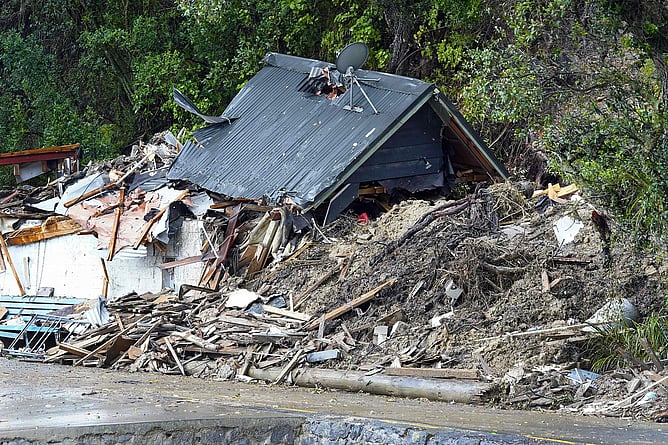
Small preparations - big impact
In an emergency, Civil Defence and emergency services may be working over entire regions and will focus on those in greatest need. As they cannot reach everyone immediately, people may be without essential services such as electricity, drinking water, communications, and flushing toilets for days or even weeks. [civildefence.govt.nz]
Emergency services simply cannot be everywhere at once. The more prepared we are, the better they can focus their efforts on those in greatest need.
Think Beyond Food and Water
Most people understand the importance of storing water and non-perishable food, but one area that is frequently overlooked is sanitation.
Imagine being unable to flush a toilet for several days. Water and wastewater systems can be damaged by earthquakes, floods, storms, and other emergencies. This is why New Zealand's emergency preparedness guidance recommends having supplies available to create an emergency toilet if needed. [getready.govt.nz]
A Neighbourhood Emergency Plan Could Be Your Best Asset
Emergency preparedness is about much more than supplies. It is also about having a plan and knowing who is around you.
A neighbourhood emergency plan helps residents identify who may need extra support, who has medical or first aid training, who has generators, chainsaws, water tanks, radios, or other useful equipment, and how neighbours will communicate if normal networks are disrupted.
Safer Cambridge Trust Neighbourhood Support can help neighbourhoods create their own emergency plans. These plans bring people together before an emergency occurs, helping build the connections and local knowledge that can make a real difference when outside assistance is delayed. Just as importantly, they help create a stronger, more connected neighbourhood every day, not just during a disaster.
Learn Practical Skills Before You Need Them
One of the easiest ways to build preparedness skills is through online learning. YouTube has become a valuable source of practical demonstrations covering topics such as:
How to make an emergency toilet from a bucket
Water storage and treatment
Emergency cooking without electricity
Alternative lighting and heating options
Emergency communication methods
Household preparedness projects
Useful examples include:
"Emergency Toilet & Sanitation System" by RoseRed Homestead, which demonstrates practical sanitation solutions using common household items. [youtube.com] (You can start at 6.35mins)
Search YouTube for"emergency water storage" or"how to purify water in an emergency" for practical demonstrations of storing, filtering, and treating water when normal supplies are unavailable. New Zealand guidance recommends storing sufficient water for at least three days and planning for disruptions to drinking water supplies.
The Most Important Resource Is Your Community
Preparedness is not just about supplies. It is about people.
A connected neighbourhood is often one of the strongest forms of resilience. The Get Ready website encourages neighbours and communities to support one another, recognising that local people are often the first source of help when disaster strikes.
Start Small
Preparing does not have to be expensive or overwhelming. Start with a few simple steps:
Store enough water for at least three days.
Keep a supply of long-life food.
Have torches, batteries, a first aid kit, and essential medications.
Learn how to create an emergency toilet.
Make a household emergency plan.
Get to know your neighbours.
Create a neighbourhood emergency plan.
Emergencies rarely give us warning. The time to prepare is before they happen. A little effort today can make a huge difference when normal services are unavailable and help is delayed.
Prepared communities are resilient communities. The more we can do for ourselves and each other, the stronger we will be when it matters most.