
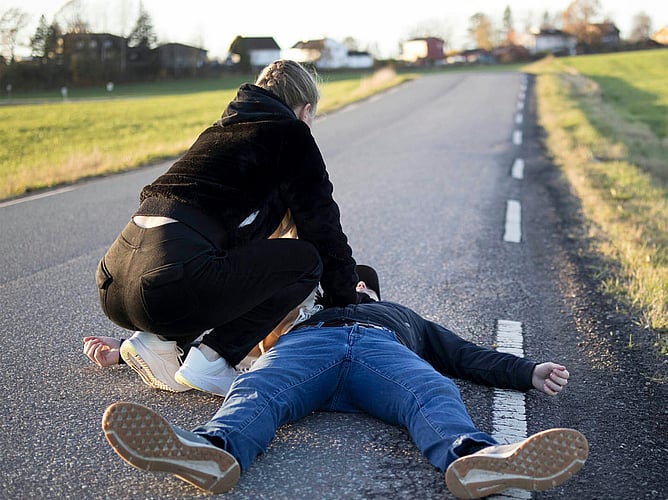
Would you perform CPR on a woman?
When someone suffers a cardiac arrest, every second counts. Immediate CPR and the use of an automated external defibrillator (AED) can mean the difference between life and death. But research is revealing a concerning reality: women are significantly less likely than men to receive lifesaving assistance from bystanders.
According to Hato Hone St John, women experiencing an out-of-hospital cardiac arrest have around 50% lower odds of survival than men and are about 60% less likely to receive bystander defibrillation.
So why does this happen?
Research suggests that hesitation can play a significant role. Concerns about exposing a woman's chest, uncertainty about where to place AED pads, and fear of causing offence can all delay action in a critical moment. Unfortunately, even a short delay can have serious consequences when someone is in cardiac arrest.
Another contributing factor comes from training itself. Most CPR training around the world has traditionally been conducted using male manikins, with female-form manikins making up only a small percentage of training equipment. As a result, many people have never practised CPR or AED placement on a female body.
To help address this gap, Hato Hone St John has introduced female-form CPR manikins into its 3 Steps for Life training programme. The initiative aims to give New Zealanders greater confidence and familiarity when performing CPR and using an AED on women.
The message is simple: when someone is in cardiac arrest, their chance of survival depends on people taking immediate action. CPR and AED use should never be delayed because of uncertainty or discomfort. A person's life is the priority.
Learning CPR is one of the most valuable skills anyone can have. You may never know when a friend, family member, colleague, neighbour, or stranger will need your help. By increasing awareness, building confidence, and challenging misconceptions, we can help ensure that everyone, regardless of gender, has the same chance of receiving lifesaving care when it matters most.
Because when it comes to saving a life, confidence can make all the difference.
References: